
A Thought
Everyday, we make a copious amount of decisions - be it for our personal life situations or professional life requirements. While most are small and inconsequential, like choosing what to eat or wear, others are more complex and involve weighing up potential costs and benefits, like deciding whether to study more for a better grade instead of hanging out with friends or what investments to make for long-term financial independence.
What if there's a simple guideline approach we can use when we are encountered with a challenging situation that requires making a choice - i.e. a decision
A Lesson
The following 10 guidelines could serve you well when mulling over a decision or when you are faced with a situation where only difficult choices are present:
(1) Use simple language: Complexity and jargon are used to mask a lack of deep understanding. If you can’t explain it to a person who is not well versed with your subject matter, you don’t really understand it the problem. If someone uses a lot of complexity and jargon to explain something, they probably don’t understand it. So, first step is to simplify.
(2) Don't underestimate "luck": When choosing between two paths, choose the path that has a larger luck surface area. Your actions put you in a position where luck is more likely to strike. e.g. it’s hard to get lucky watching TV at home - but, it’s easy to get lucky when you’re engaging and learning.
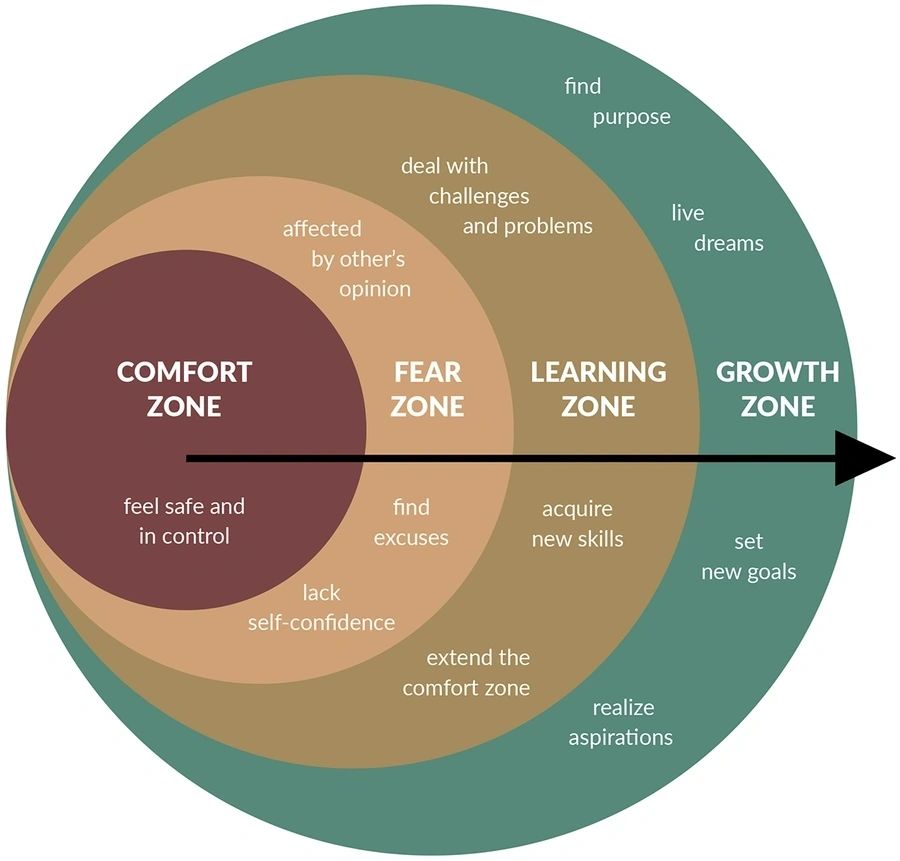
(3) Choose to go to the arena: When faced with two paths, choose the path that puts you in the arena. It's easy to throw rocks from the sidelines. It's scary and lonely in the arena - but that's where growth happens. Once you are in the arena, don't take advice from people on the sidelines.
(4) Choose optimists: When choosing who to spend time with, prioritise spending more time with optimists. Pessimists see closed doors. Optimists see open doors - and probably work out how to open closed doors along the way.
(5) Choose the smart room: If you have a choice between entering two rooms, choose the room where you're more likely to be the least smart one in the room. Once you're in the room, talk less and listen more. It could hurt our ego - but, it's great for growth.
(6) Fewest assumptions: When you're weighing alternative explanations for something, it's best to choose the one with the fewest necessary assumptions that could you can understood and make sense of.
(7) Activate Listen Mode: If you encounter someone with opinions or perspectives very different from your own, listen twice as much as you speak. Our natural tendency when we hear a view we disagree with is to respond and refute it. Default to Listen Mode. You'll learn way more that way.
(8) Be the Lion: If you have the choice, choose to sprint and then rest. Most people are not wired to work 9-5 - long periods of steady, monotonous work. If your goal is to do inspired, creative work, you have to work like a lion. Sprint when inspired. Rest. Repeat.
(9) Don't assume: In assessing someone's actions, we shouldn't assume negative intent if there's a viable alternative explanation - different beliefs, lack of intelligence, incompetence, or ignorance.
(10) The Gratitude: When in doubt, choose to show more gratitude to the people who have mentored or supported you. Say thank you more. Tell someone you appreciate them. Not just on special occasions - every single day.
A Call to Action
There certainly are more guidelines and frameworks out there for effective decision making. A simple Google search would return more decision making methods, guidelines and frameworks than one would ever require. It is our responsibility to find a framework or method that works for us and one we can readily understand. The above list has served me well when faced with difficult choices.
However, it is not my intention to put these guidelines forward to you as the way for your decision making. My intent is to prompt you to develop your own decision making guidelines. Use this list for ideation. Drop the guidelines that don't make sense to you or cannot relate to. Expand on the ones that make sense to you.
Afterwards, run a few scenarios/ individual examples you encountered through the guidelines you developed/ adopted. Then ask the question - If I use the guidelines, would I be able to make a different choice that's more impactful/ inclusive/ productive/ comprehensive/ brave?
Credit: Sahil Bloom

Kushan Kahadugoda
Strategist, founder and author exploring technology, leadership and human potential.
About Kushan