

A Thought
Imagine this scenario - your neighbourhood pizzeria using Al to predict which flavour would sell the most on any given day of the week - thus increasing the profits of the local pizzeria and delighting its customers by meeting their demands effectively on any given day.
And best, the only thing the pizzeria owner would need to do is to just upload last month's sales data from the ordering system - or if there's no technology based ordering system, images of the order notes for the same period. AI will analyse the data points, connect it with other relevant external data points, such as: weather, local events, aggregate seasonality intelligence from comparable pizzerias, specials and promotions run by the competition etc, and provide sales forecasts for each day. Moreover, the forecast automatically provides future updates as store sales data and other external data change.
But, would this be a viable proposition today. Not quite. The cost, technical know-how and data availability requirements will make this a commercially prohibitive outcome to the local pizzeria.
A Lesson
However, these isolated and localised scenarios when looked through a high-level global lens can create opportunities that are untapped at the moment.
In a recent TED talk, Andrew Ng, computer scientist and tech entrepreneur, describes a vision for democratising access to Al, enabling any business, regardless of its scale, to make decisions that increase profit and productivity.
Call to Action
As Tech enthusiasts and leaders, here are some important questions to explore and contribute to in an era where large enterprises are focused on winning the AI game:
1) How could we create a more prosperous society with AI?
2) How can all businesses benefit from AI regardless of their scale and capital - thus making AI inclusive?
3) How do we solve the "last mile" adoption challenges with AI (we need to think beyond ChatGPT, Bard, Claude etc)?
4) How can we identify and create AI opportunities to serve the "small business" community?
5) How can we become AI entrepreneurs to take on challenges that might be deemed too small from a large enterprise point of view, nonetheless, paramount in making AI inclusive and beneficial for all businesses and individuals?
Credit: Andrew Ng
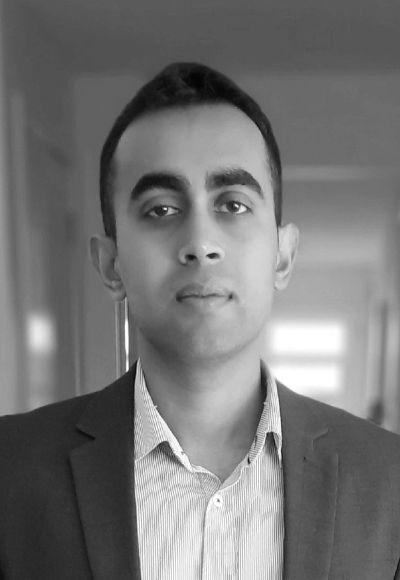
Kushan Kahadugoda
Strategist, founder and author exploring technology, leadership and human potential.
About Kushan