The full research paper can be accessed here
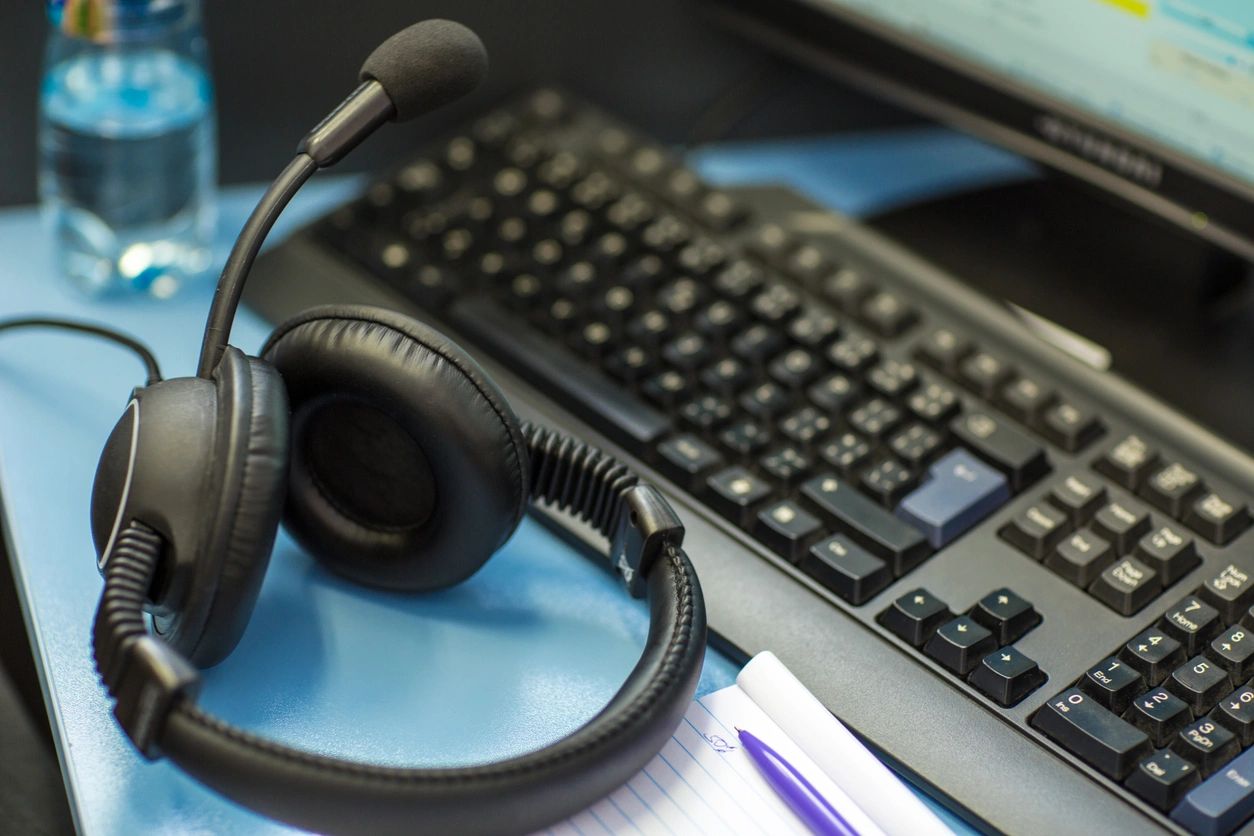
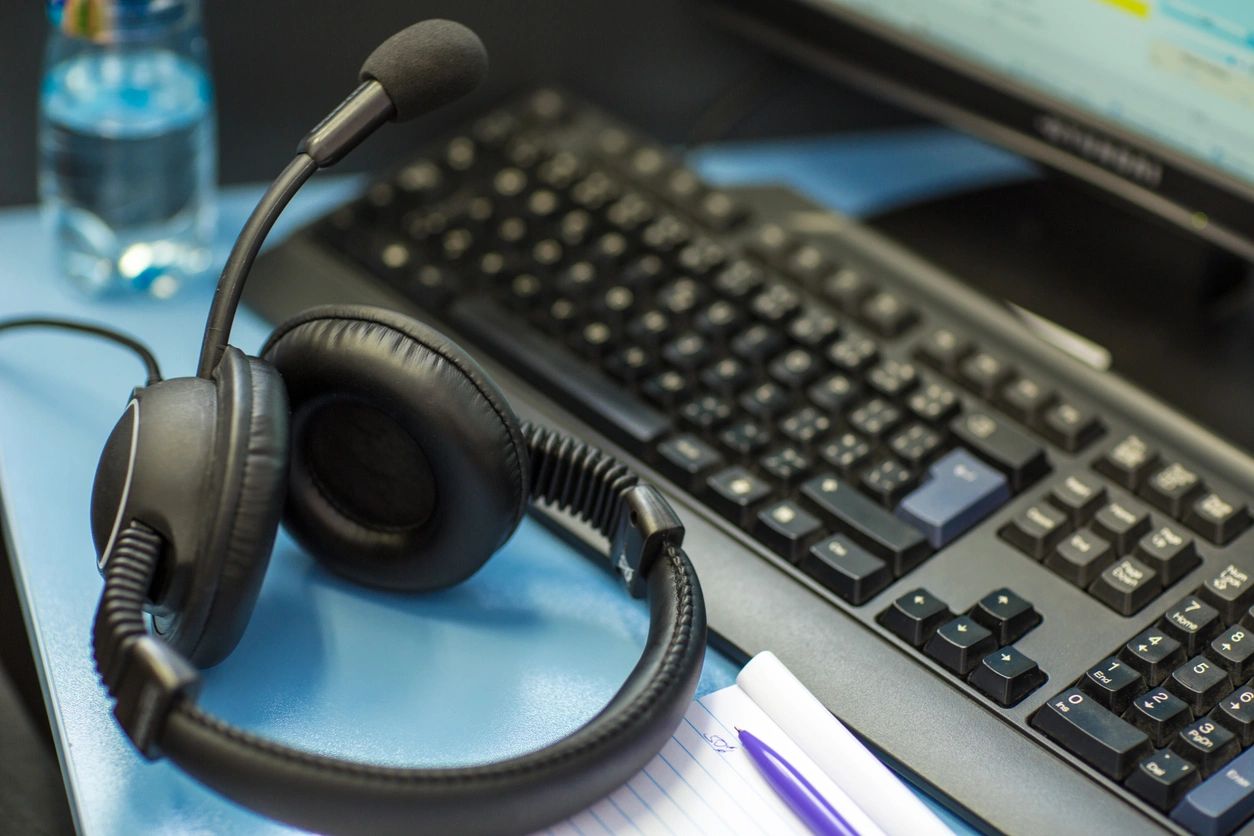
In the realm of cybersecurity, a novel challenge has surfaced—Acoustic Side Channel Attacks (ASCAs). This ingenious technique capitalises on the power of sound, using microphones to surreptitiously decipher keyboard keystrokes. What sets ASCAs apart is their adaptability; a smartphone's built-in microphone transforms into a potential infiltrator, underscoring the threat they pose to individuals' privacy.
The cutting-edge deep learning model behind this ASCA showcases remarkable accuracy, efficiently classifying keystrokes captured by smartphone microphones. Impressively, it attains a 95% accuracy in discerning laptop keystrokes from smartphone recordings and maintains 93% accuracy when handling keystrokes in virtual environments like Zoom.
The breadth of ASCA's impact is striking, infiltrating a range of devices—from commonplace plastic keyboards to laptops, ATM keypads, and even vintage corded telephones. The implications are concerning, as ASCAs can pilfer sensitive data like passwords and credit card numbers, serving as potent vectors for cyberattacks.
Looking ahead, research avenues involve refining keystroke isolation techniques, exploring smart speakers as potential eavesdropping tools, and integrating advanced language models for enhanced recognition. ASCAs cast an ever-expanding shadow due to the proliferation of microphones within proximity to keyboards.
Defensive strategies encompass: white noise generators, distance-based safeguards, and a burgeoning array of countermeasures.
The key summary from the whitepaper published on the matter are as follows:
- Acoustic side channel attacks (ASCAs) can be used to infer keystrokes from a keyboard using a microphone.
- ASCAs can be performed using a smartphone's integrated microphone, making them a potential threat to users.
- The deep learning-based model developed for research purposes can classify keystrokes with high accuracy using a smartphone's microphone.
- The model achieves an accuracy of 95% on phone-recorded laptop keystrokes and 93% on Zoom-recorded data.
- ASCAs can be performed on a variety of devices, including plastic keyboards, laptop keyboards, ATM keypads, and corded telephones.
- ASCAs can be used as attack vectors to steal sensitive information, such as passwords and credit card numbers.
- Future research directions include improving methods of isolating keystrokes, using smart speakers to record keystrokes, and implementing language models to improve keystroke recognition.
- ASCAs are a growing threat due to the increasing number of microphones within acoustic range of keyboards.
- ASCAs can be mitigated by using white noise generators, distance-based defences, and other countermeasures.
- We all need increased awareness of ASCAs and effective countermeasures.
Credit: A Practical Deep Learning-Based Acoustic Side Channel Attack on Keyboards whitepaper

Kushan Kahadugoda
Strategist, founder and author exploring technology, leadership and human potential.
About Kushan